Camp Emergencies – Is Your Camp Prepared?
Article Submitted by Sven Rundman III, Incoming Chair of the SAFEScouting Committee
Is your camp subject to inclement weather, communicable disease outbreaks, power failures, floods, lost Scouts, drownings, intrusions, fire, and other potential emergencies?
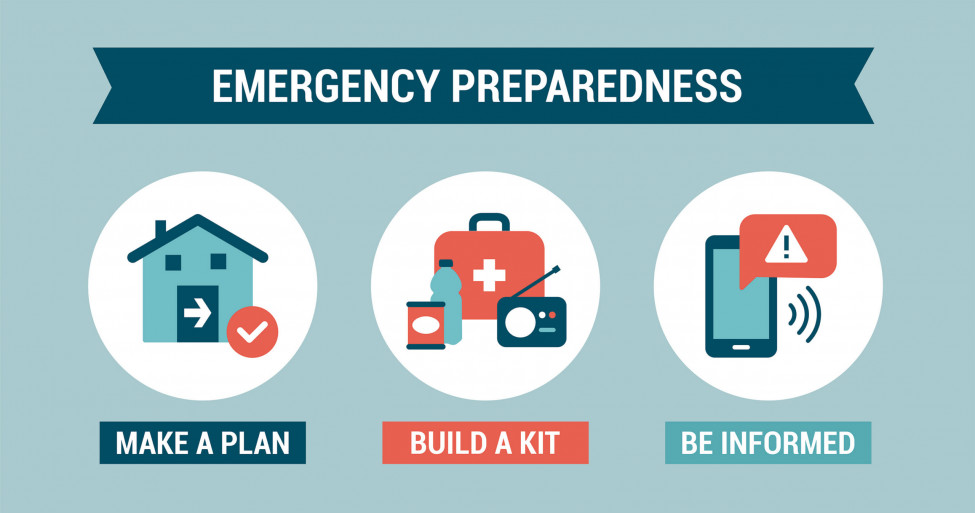
The best way to BE PREPARED for such emergencies is to develop emergency procedures, sometimes referred to as an emergency action plan or EAP. National Camp Accreditation Program (NCAP) Standard AO-805 Emergency Procedures (revised January 1, 2025) requires camp properties, day camps, short- and long-term camps to assess and establish their emergency procedures.
A camp’s emergency procedures, or EAP, must be written AND camp-specific. While some of the emergency procedures may correspond across multiple camps within a council territory, one camp’s potential emergency (e.g., climbing incidents) may not correspond to another in-council camp. To prepare the camp’s emergency procedures, the council should bring together its camp director(s), a few camp staff, the council SAFE Scouting committee, and other appropriate specialists (i.e., medical) to assist in the planning and development process. Building relationships with local responders and including them in the plan development is important, too.
The camp/council emergency action plan should include such valuable components as:
Leadership roles
Lines of communication
Plans for evacuation and shelter-in-place
Training & Drills
Resources and supplies
The emergency procedures need to specify what camp staff should do during an emergency, and all camp staff must receive proper training for emergencies to make sure everyone knows what to do before, during, and after an emergency. An appropriate emergency drill must be held within 24 hours of each group’s arrival at long-term camp or multiday day camp (see AO-805-2). A copy of the emergency procedures must be readily available in a convenient location where camp staff can get access to it, or provide a copy to all camp staff, as well as, at the local council office. The emergency procedures may be kept electronically, provided all camp staff have unrestricted access. The emergency procedures should be reviewed after each emergency and updated at least annually.
Clear emergency procedures and training for camp staff, unit leaders, and visitors (where necessary) are vital to saving lives, protecting property, and ensuring Scouting continues safely.
Establishing and implementing Emergency Procedures – it’s a part of building a SAFE Scouting culture.
Resources:
NCAP Manual
OSHA Evacuation Plans and Procedures eTool
Emergency Action Plan Safety Moment
Scouting Wire would like to thank Sven Rundman III for submitting this article.


reach out