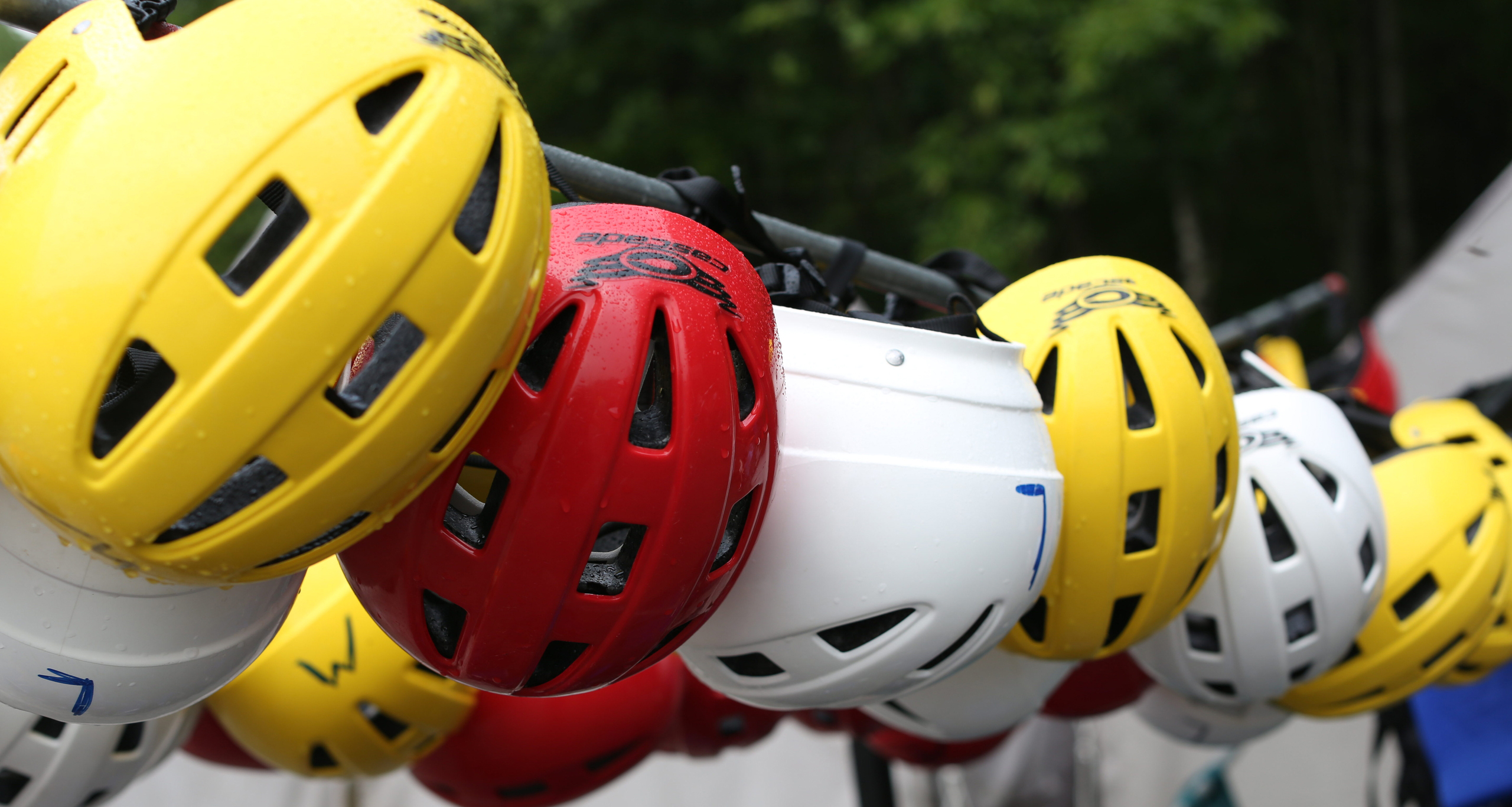
E is For Equipment
Guest article from Scouting America Director of Environmental, Health & Safety Tree Kiester, CSP
I write this shortly after returning from my first Jamboree at the Summit Bechtel Reserve. It was a great thing to see so many people on so many different adventures. These adventures were all made possible by the right equipment. There were climbing harnesses, kayaks, auto-belayers, zip-lines, mountain bikes, and the list continues for a long time.
I do want to be clear that the real magic at Jamboree is the people – the Scouts that attend, but also the 3,000+ volunteers that all donated their time, expertise, and resources to put on a great event. The volunteers are also the subject matter experts who select the equipment Scouts use in all our high-adventure programs. The people are important, but this conversation is focused on Equipment.
As discussed in the SAFE Checklist, safe and proper equipment is key to any adventure (that “E” in SAFE stands for “Equipment and Environment”). This includes everything from a good pair of sneakers for a walk in the woods, all the way up to ensuring you have the cable, structures, clearance and harnesses to build an engineered zip line, like Alexander’s Eagle Flight at SBR.
The first step is knowing the weather for your adventure and equipping yourself right from your base layers on up. Think about how much sun and wind exposure you may see and the types of severe weather to be prepared for.
Alfred Wainwright, who wrote many books about hiking through the United Kingdom, famously said, “There’s no such thing as bad weather, only unsuitable clothing.” That sure fits my experience adventuring and traveling through life.
Next for your equipment is ensuring it is in good condition and is right for the task and the people involved. For example, if you are on the water in canoes or kayaks, everyone needs a personal flotation device (PFD) that is undamaged and serviceable, while also properly fitted.
Notice I said fitted.
It’s not just enough to wear the right size, but also that it is adjusted to the user’s specific size. That’s why, sometimes, it feels like every piece of equipment used for adventuring has a couple of extra straps to adjust.
When you are on the adventure, keep an eye on your kit, or equipment. It’s important that you take the time to review all of your equipment as the day progresses. For me, this always seems like a short break 10-20 minutes after starting. I usually do something like snug my shoestrings, readjust and tighten up a couple of things on the pack. Whether I am backpacking or camping from my motorcycle, I repeat this pattern, and it has helped me catch things before they could go from “What’s that?” to something worse.
The last step is to take care of all your equipment when you get back. I usually empty and clean everything within 24 hours of returning home. While you are emptying and cleaning is a great time to reinspect your equipment so you can note any damage for repair, or anything that needs to be replaced before your next trip. Once everything is clean and dry, store it someplace properly and protected from damage. This lets you ensure if an adventure happens by your door, Hobbit style, you are ready to go join it!

reach out