HAZARD TREES
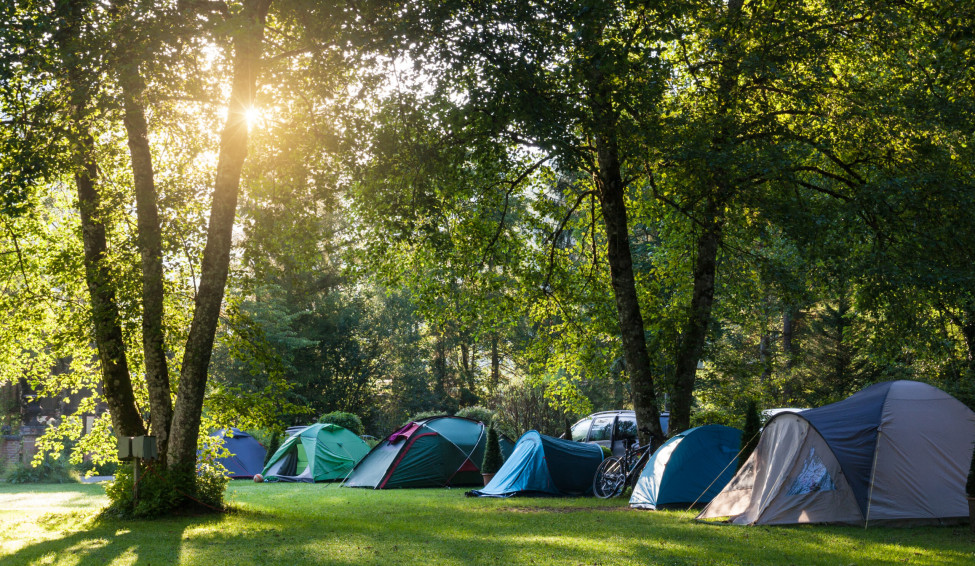
There is something peaceful about camping beneath towering trees. The sound of leaves moving in the wind and the shade of the forest often make campsites feel safe and comforting. However, hidden among that beauty can be a serious danger.
Hazard trees.
A hazard tree is any tree that has the potential to fall or drop limbs due to disease, storm damage, decay, insect infestation, or structural weakness. According to Scouting America’s Hazard Trees Safety Moment, these trees may be completely dead or simply weakened in ways that are not immediately obvious. Even on calm days, a damaged branch or unstable trunk can fail without warning.
Scouting America’s S.A.F.E. initiative reminds us that safety is not separate from adventure. S.A.F.E. is what makes adventure possible. Identifying hazard trees is one simple but important way Scouts of all ages can create a safer outdoor experience for everyone.
Campers and leaders should always remain aware of their surroundings when selecting campsites, hiking trails, or gathering areas. Signs of a hazard tree may include wilted or dying leaves, cracks in the trunk, exposed roots, fungal growth at the base of the tree, leaning trees, and hanging or dead limbs overhead often referred to as “widow-makers.” Scouting America recommends avoiding camping within the fall radius of questionable trees.
A Scout is observant, prepared, and helpful to others. Taking a few moments to assess the area while hiking, before pitching a tent, or gathering around a campfire can prevent serious injuries or fatalities. The outdoors will always carry natural risks, but with careful observation, education, and preparedness, camps can remain both adventurous and safe for everyone.
Hazard tree awareness is not about fear; it is about responsibility.

reach out