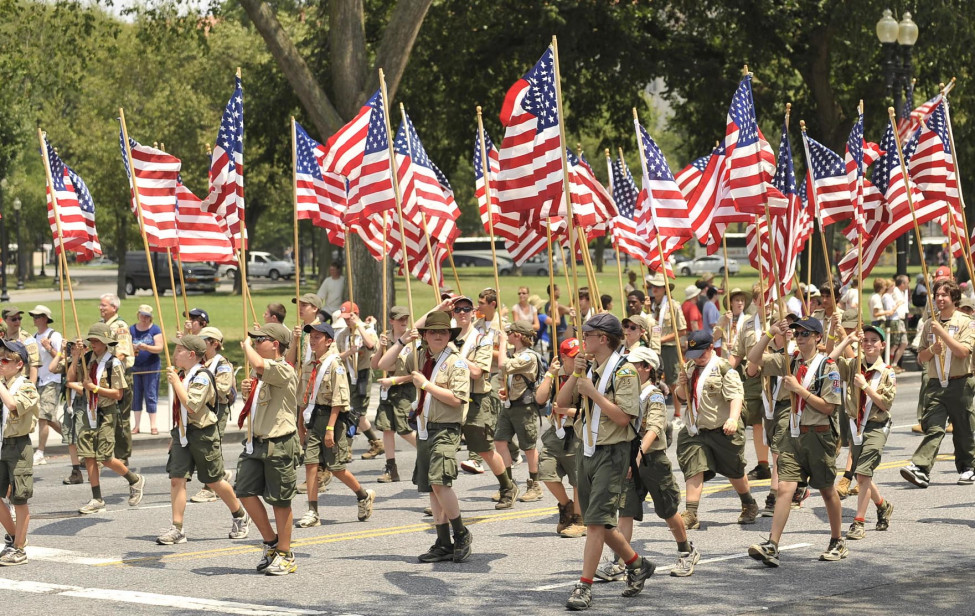
Parade & Float Participation Safety
November 9, 2026
Parades provide a great opportunity to showcase Scouting America, but vehicles, floats, weather conditions, and crowds require planning and supervision. Apply the SAFE Checklist before and during the event.
Float Safety
- Inspect floats for secure decking, seating, railings, steps, and decorations.
- Riders must have a secure handhold and keep all body parts inside the float.
- Never board or exit a moving float.
- Do not transport participants to or from the event on a parade float.
Vehicle & Pedestrian Safety
- Use qualified drivers and complete a pre-trip vehicle inspection.
- Maintain slow, controlled speeds and safe spacing.
- Assign adult spotters at blind spots and near trailers.
- Keep participants away from wheels, hitches, and moving vehicles.
- Distribute candy or handouts without encouraging spectators to approach moving vehicles.
Generator, Electrical & Fire Safety
- Secure generators with exhaust directed away from participants.
- Keep hot components away from decorations and other combustible materials.
- Inspect and secure electrical cords to prevent damage and trip hazards.
- Never refuel hot or running equipment.
- No open flames on floats; carry a readily accessible fire extinguisher.
Slips, Trips & Falls
- Keep riding and walking surfaces clean and free of cords, equipment, and loose decorations.
- Provide stable steps for boarding and exiting.
- No climbing, standing on railings, or horseplay on floats.
Weather & Participant Readiness
- Monitor weather and changing conditions throughout the event.
- Ensure participants are physically able to safely ride or walk the parade route.
- Encourage hydration and appropriate clothing for conditions.
- Stop participation if conditions become unsafe.
Before the Parade, conduct a brief safety meeting covering:
- Float and vehicle procedures
- Emergency communications and stop signals
- Participant accountability and Individual responsibilities
Remember: If conditions cannot be maintained safely, stop participation and correct the hazard before continuing.

reach out